Delivering Quality, Building Trust•Free delivery on orders above AED 200.00•Cash on delivery across all seven Emirates•Delivering Quality, Building Trust•Free delivery on orders above AED 200.00•Cash on delivery across all seven Emirates•
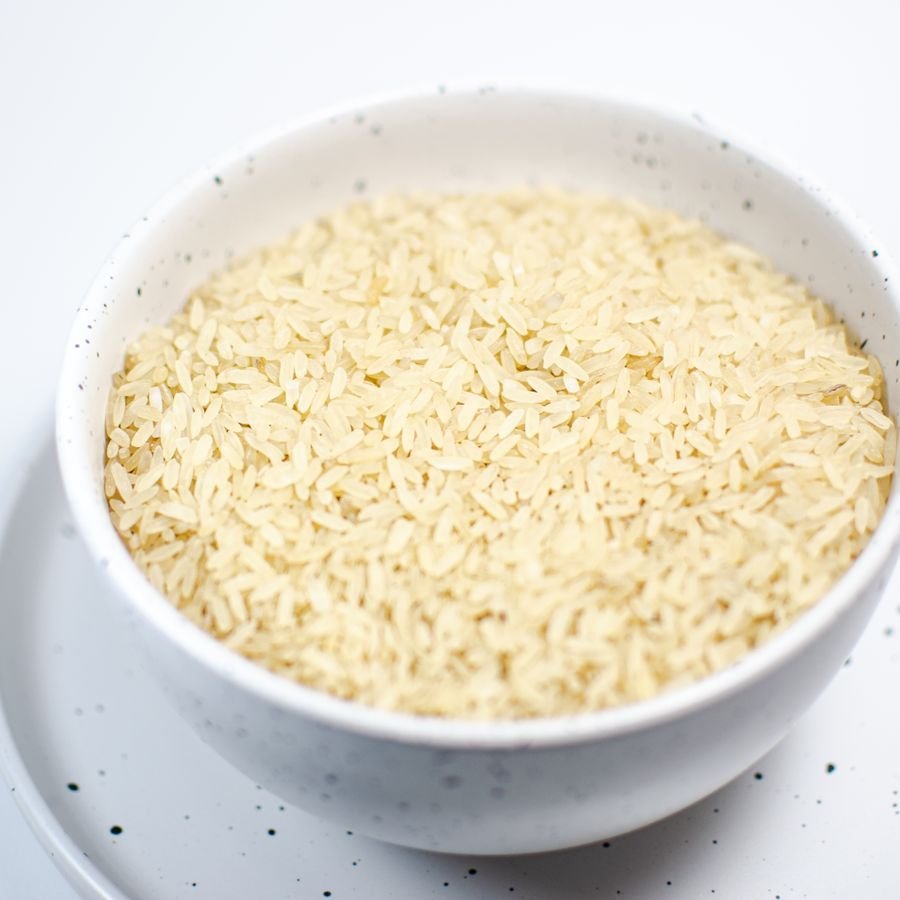
Buying rice and pulses in bulk saves money, but the Gulf summer works against you. Warm, humid air is what turns a good sack of basmati stale, and it is also what invites pantry weevils.
Keep three things in mind.
First, decant. The woven sack a 5 kg bag arrives in breathes, which is useful in a warehouse and unhelpful in a kitchen. Move the contents into an airtight container as soon as you open it. Glass or food-grade plastic both work; what matters is the seal, not the material.
Second, keep it dark and off the floor. A cupboard away from the cooker is better than a shelf above it. Every degree matters when the kitchen sits above 30C for months at a time, and a floor-level cupboard next to an exterior wall is usually the warmest place in the room.
Third, buy to a rhythm you will actually use. A 5 kg bag finished in eight weeks is better value than a 10 kg bag half thrown away in six months, whatever the price per kilo says.
A note on weevils. They almost always arrive in the grain rather than finding it, and warmth simply speeds up what was already there. Freezing a new bag for forty-eight hours before decanting kills anything present and costs nothing. If you find them later, throw out the affected container rather than trying to sieve it, and check everything stored nearby.
Pulses keep longer than rice but harden with age. Chickpeas and kidney beans more than a year old will still cook, but expect a longer soak and a longer simmer. Label containers with the month you opened them and you will never have to guess.
If you are supplying a restaurant or a shop rather than a household, the same rules apply at a larger scale, and stock rotation matters more than storage: oldest to the front, newest to the back, every single delivery. Our wholesale team can advise on pack sizes that match your turnover.